
Table of Contents
Landlords often search for loopholes because the rules feel complex, expensive or unfair. Some planning is legitimate: using a company structure, choosing the right tenancy type or claiming allowable expenses correctly. Other so-called loopholes are simply breaches dressed up as clever advice.
GOV.UK guidance explains that the Renters’ Rights Act changed how private landlords let properties from 1 May 2026. The practical effect is that landlords need stronger written records, clearer rent evidence and the correct post-Section 21 possession process. The official overview is the GOV.UK Renters’ Rights Act overview for landlords.
The safest way to approach landlord loopholes is to look at the rule, the money and the evidence together. A landlord may start with one practical question, but the answer often depends on several connected points: loopholes, licences and deposits. Treating those points separately is how mistakes creep in. The better approach is to decide what needs to be checked before the tenancy or transaction starts, what should be recorded during the arrangement, and what evidence will be needed if the decision is challenged later. That gives the landlord a clearer route from general information to a property-specific decision.
That is why timing matters. Checking the point before a tenancy starts is usually cheaper and simpler than trying to correct it after a dispute, claim, licence query or tax deadline has appeared. A landlord should also think about who will need the evidence later: a tenant, buyer, lender, insurer, council officer, tribunal, accountant or managing agent. The same document can serve several purposes if it is kept properly. A clear rent record can support a tax return and an arrears claim. A dated photograph can support a deposit deduction and a repair history. A certificate can help with compliance and reassure a buyer. Treating records as part of the management system rather than a last-minute admin task makes the property easier to own.
A simple example shows why this matters. A landlord may think the issue is only about one decision, such as a deduction, licence, insurance clause, rent increase or repair. In reality, that decision can affect several later steps. The same facts may decide whether the tenant accepts the position, whether a council sees the property as properly managed, whether an insurer accepts a claim, whether a buyer proceeds, or whether an accountant can defend the treatment in the accounts. When the record is complete, those later conversations are shorter and less risky.
Why loopholes often become evidence
A message, advert or clause written to avoid a rule can later become evidence in a dispute. A landlord who tries to dodge a deposit, refuse all benefit claimants or create a sham licence may create more risk than they remove.
The Renters’ Rights framework has also increased penalties in some areas, making clean records and proper process more valuable than technical tricks.
This part of the decision should be written down rather than left as a verbal understanding. For a landlord, the risk usually appears later: when a tenant challenges a charge, a council asks for evidence, an insurer reviews a claim, or HMRC queries a figure. Keep loopholes, licences, deposits, local evidence and the written agreement in the same property file so the decision can be reconstructed months or years later.
Good management normally feels quiet when it is working: rent arrives, certificates do not expire and repairs are logged before they become emergencies.
For landlord loopholes, the first step is usually to define the position precisely. Vague words create later disagreements: ‘managed’, ‘reasonable’, ‘included’, ‘market rent’ and ‘good condition’ can mean different things to different people. The practical answer is to translate those broad words into evidence, dates, responsibility and cost. The same discipline applies in the property file. If the landlord can point to a clause, certificate, valuation, photograph or dated message, the decision becomes much easier to defend.
Licences, company lets and sham arrangements
Company lets and licences can be valid in the right circumstances, but the label does not decide the legal effect. If the occupier is really living in the property as their home under an assured tenancy, calling the document a licence may not protect the landlord.
Before using a non-standard agreement, speak to a solicitor and check whether landlord licensing, mortgage and insurance conditions still apply.
The practical test is whether another person could pick up the file and understand what happened without phoning the landlord for the story. A clear record should show the date, the reason for the decision, who agreed it, what evidence supported it and what happened afterwards. That level of detail is not bureaucracy for its own sake; it is what turns licences from a loose intention into something defensible if the tenancy, tax return, insurance claim or sale later comes under scrutiny. GOV.UK’s HMO licensing page gives the national starting point, but London landlords still need to check local selective and additional licensing schemes by exact address.
Occupier numbers can change the answer quickly. A single-family let, a three-person house share and a five-person HMO can sit under different rules even where the bricks, layout and rent look similar.
This is also where landlords should avoid copying a process from a different property. A leasehold flat above a shop, a family house in Barking, a converted HMO in Newham and a newly bought auction property can all sit under different practical constraints. Mortgage conditions, block rules, council licensing, insurance wording and tenant profile can change what is sensible. A decision that works cleanly for one property can be risky for another, even when the search query looks the same.

Deposit shortcuts that create bigger claims
Taking money and calling it something other than a deposit does not always avoid deposit rules. If the payment is security against tenant obligations, it may still be treated as a deposit. GOV.UK’s deposit protection guidance sets out the landlord duties for protected deposits.
A landlord trying to save admin time can end up facing compensation, difficulty with possession and a dispute that could have been avoided with correct protection.
Landlords also need to separate the legal rule from the commercial decision. Something can be legally possible but still poor management if it increases void risk, creates a repair dispute, breaches a mortgage condition or makes the property harder to let. Before acting, check the numbers, the paperwork and the likely tenant reaction together. That is especially important in London, where licensing, affordability and property condition can change the outcome of the same decision from one borough to the next. GOV.UK’s deposit protection guidance explains the protection rules and the 10-day return point once the amount is agreed, which is why deductions need evidence rather than estimates.
A landlord should know who is responsible for each task. Rent collection, repairs, inspections, compliance, tenant contact and notice handling should not sit in a grey area.
The money should be looked at alongside the admin burden. A landlord might save a small amount by handling a task alone, but lose far more if the process creates a void, an invalid notice, a failed claim or a deduction dispute. That does not mean every landlord needs full management. It means the decision should be based on the cost of mistakes as well as the cost of the service.
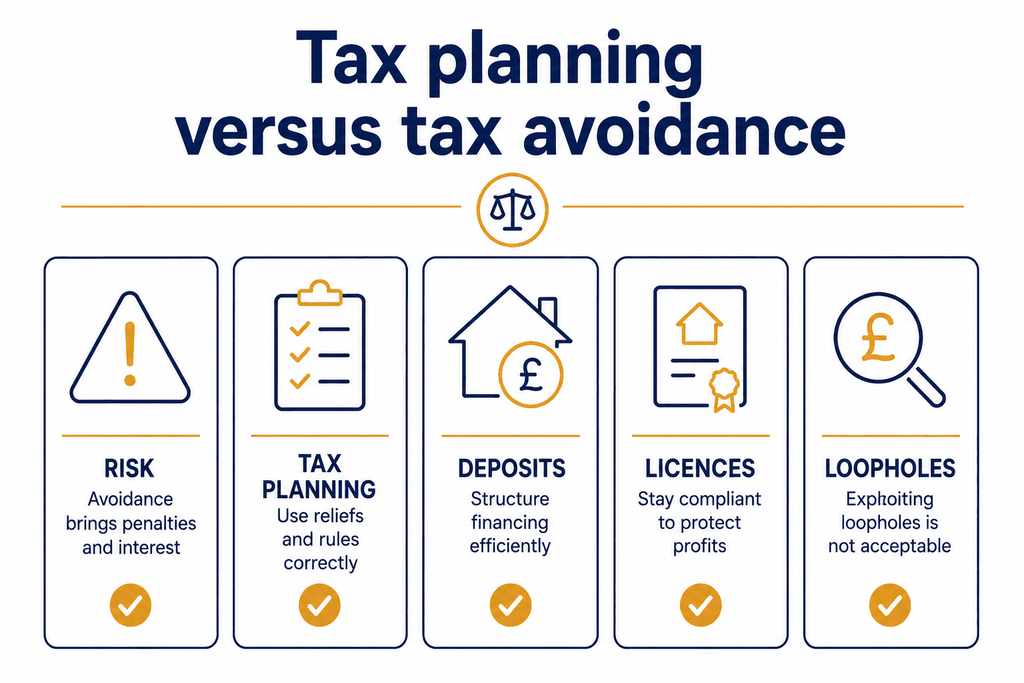
Tax planning versus tax avoidance
Claiming genuine repair costs, finance relief and management expenses is normal tax compliance. Inventing expenses, hiding rental income or treating capital improvements as repairs is not. HMRC guidance and good records matter more than online shortcuts.
Landlords with overseas residence, multiple properties or high finance costs should use proper legal and financial property advice rather than relying on forum-level tax tips.
A useful way to approach this section is to think about the end of the tenancy before the beginning. If the tenant leaves, the property is inspected, or a buyer’s solicitor asks questions, the landlord will need proof of what was agreed and why. Photographs, dated emails, contractor invoices, rent records and certificates are often more persuasive than a later explanation. Good record keeping also makes it easier for a managing agent or solicitor to step in without starting from scratch.
Management quality also affects tenant behaviour. Tenants are more likely to report issues early and cooperate with access when the landlord or agent responds clearly and consistently.
Tenants also respond better when the position is explained early. Clear move-in documents, prompt repair updates and plain reasons for decisions reduce suspicion and make later discussions easier. Many disputes start because the tenant only sees the landlord’s decision after money is being withheld, rent is being increased or access is being requested. A short written explanation at the right time often prevents the matter becoming formal.
Better alternatives to loopholes
The safer alternative is to build a compliant structure that still works commercially: correct licence, clear tenancy documents, fair rent setting, strong referencing, proper insurance and management that catches problems early.
If the problem is time or income uncertainty, guaranteed rent or full property management may remove the practical pressure that made the loophole attractive in the first place.
The figures should be tested on a net basis. A headline saving, higher rent, cheaper quote or faster route can disappear once finance costs, compliance work, void periods, tax treatment and repairs are included. Landlords should compare the likely annual position rather than the first monthly figure, and they should update that calculation when the market changes. That gives a more honest view of whether the choice supports reliable income or simply moves risk into a different column.
The best comparison is net annual return, not the first rent figure. Voids, commission, repair delays and admin time can turn a higher rent into a weaker outcome.
The final check is whether the decision still works if circumstances change. A tenant may leave earlier than expected, market rent may move, a repair may reveal a bigger defect, or a council may ask for more information. Good landlord planning leaves room for those changes. It does not assume that the smoothest version of events is the only version that needs to be costed or documented.
Frequently asked questions
Are landlord loopholes legal?
Some are legitimate planning, but many are risky misunderstandings or breaches.
Can I avoid deposit protection by using another name?
Not if the payment is really security for tenant obligations.
Can I use a licence instead of a tenancy?
Only where the facts support a licence. The label alone does not decide the occupier’s rights.
Are company lets a loophole?
They can be valid commercial arrangements, but they must match mortgage, insurance, licensing and legal requirements.
What is safer than looking for loopholes?
Clear compliance, good records and a management model that fits the property.
Use proper planning instead of risky shortcuts
For tax, ownership, overseas landlord or legal questions, use AMS legal and financial property advice alongside advice from a qualified solicitor or accountant.